

Öğrenme Mühendisliği, öğrenenleri ve onların gelişimini desteklemek amacıyla öğrenme bilimlerini, insan merkezli mühendislik tasarım yöntemleri ve veriye dayalı karar alma süreçleriyle bütünleştiren disiplinlerarası bir süreç ve uygulamadır.
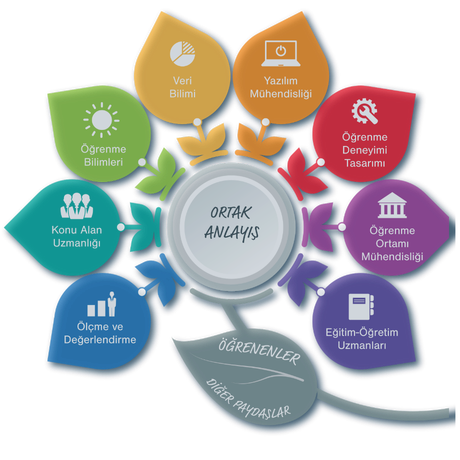
Learning Engineering is an emerging field at the intersection of learning science, educational technology, data analytics, and design thinking. It treats the design of educational environments as an engineering problem, iterative, evidence-based, and systematically optimized to produce measurable learning outcomes.
At TED University Faculty of Education, Learning Engineering is not simply a research interest, it is a foundational philosophy that shapes how we design curricula, prepare teachers, and evaluate impact across all our programs.
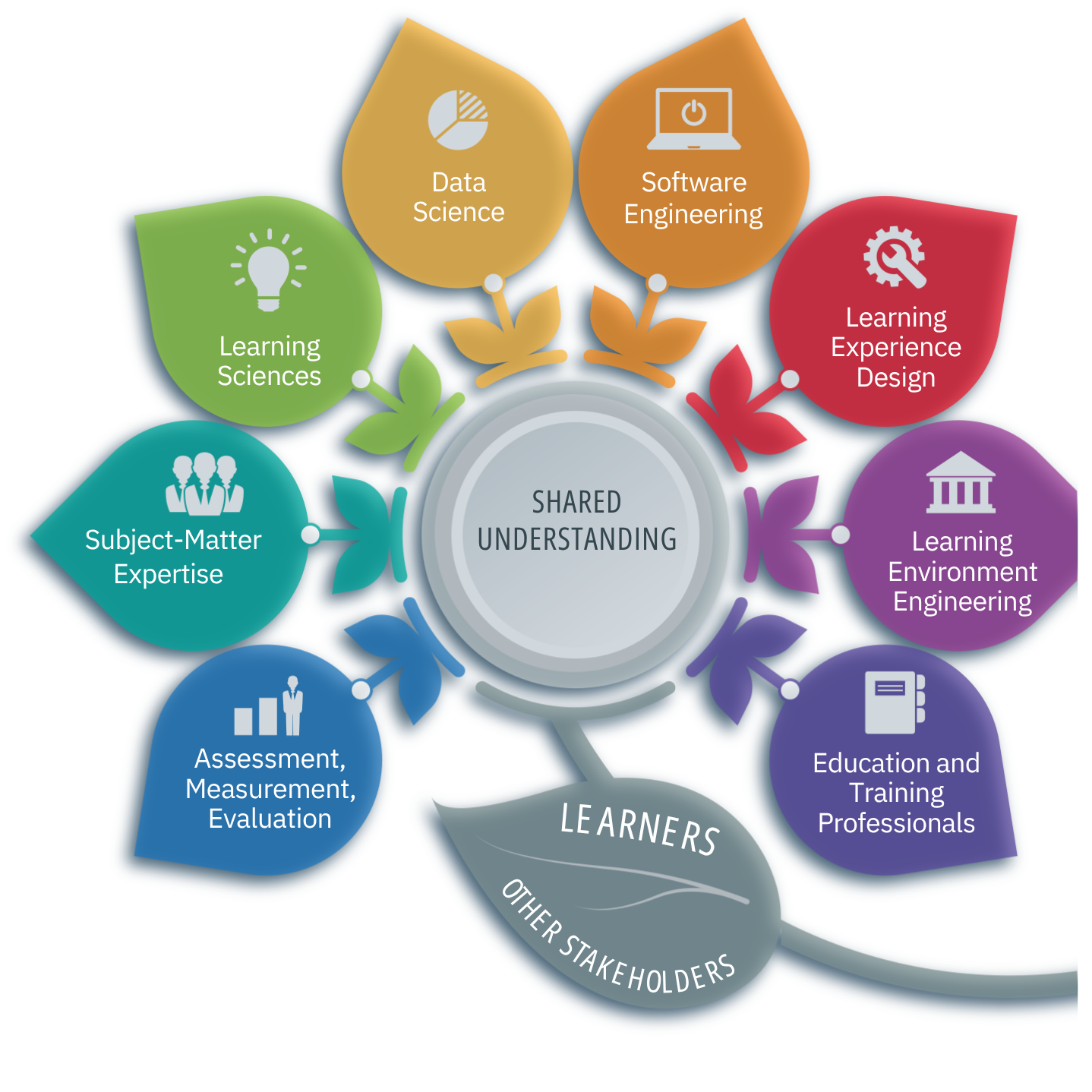
'''Learning Engineering is a process and practice that applies the learning sciences using human-centered engineering design methodology and data-informed decision-making to support learners and their development.''
— IEEE Learning Engineering Working Group
Fakültemiz bu öğrenme mühendisi tanımı benimseyerek, onu Türkiye’deki yükseköğretim bağlamına uyarlamaktadır. TEDU Eğitim Fakültesi olarak, insanların nasıl öğrendiğini anlamanın ve öğrenmeyi daha etkili, eşitlikçi ve kalıcı hale getiren ortamlar tasarlamanın modern eğitimin en önemli zorluğu olduğuna inanıyoruz.
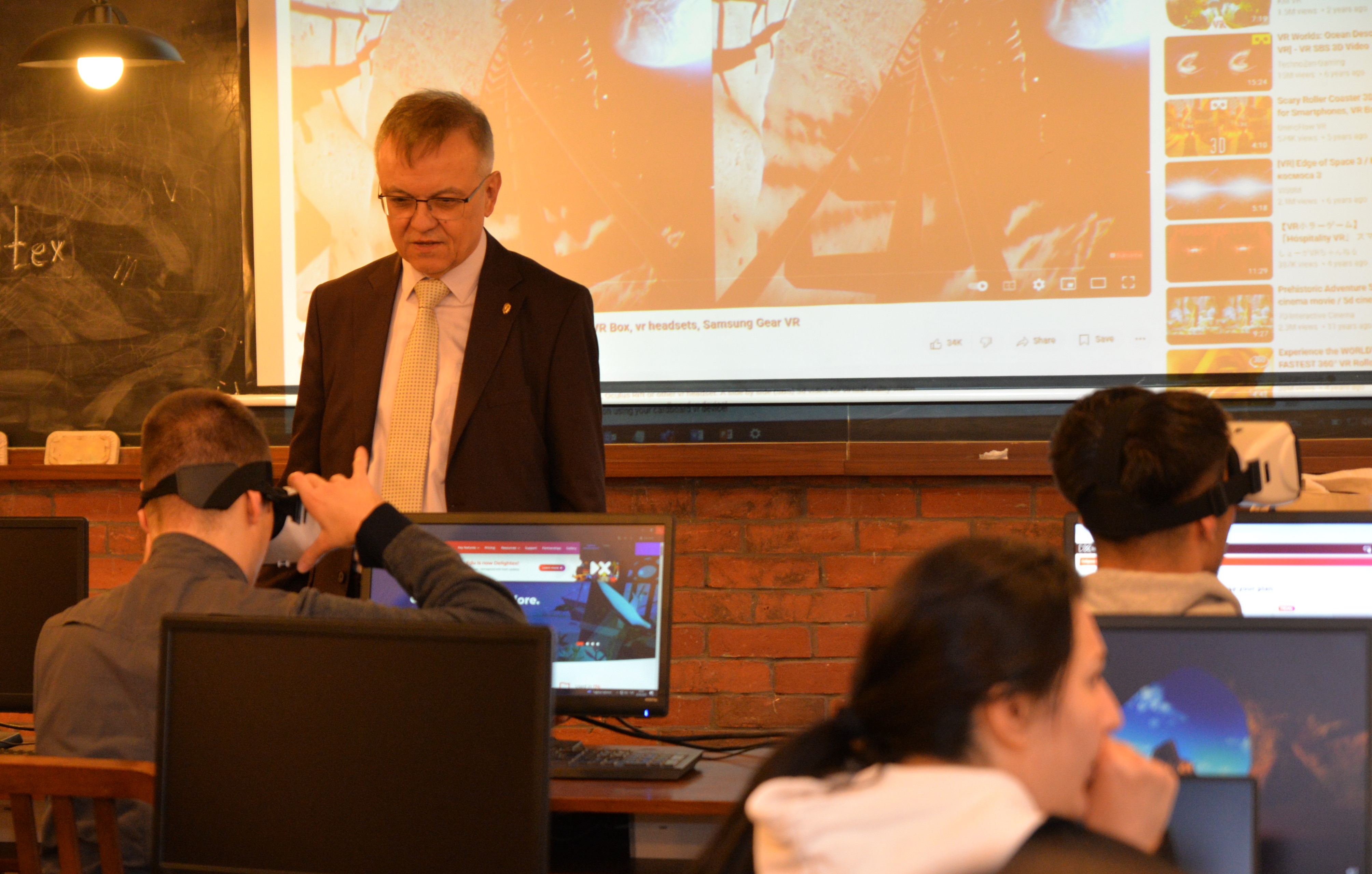
By embracing this definition of the learning engineer, our faculty adapts it to the context of higher education in Türkiye. As the TEDU Faculty of Education, we believe that understanding how people learn and designing environments that make learning more effective, equitable, and enduring constitute one of the most significant challenges of modern education.
"Educational institutions must evolve from being merely places where knowledge is transmitted into personalized, technology-supported, experiential learning environments."
— Prof. Dr. Kürşat Çağıltay, Dean, Faculty of Education
Learning Engineering brings this vision to life. Our Dean’s emphasis on data-informed decision-making, ethical responsibility, and the use of technology as a means to support learner-centered education is directly reflected in the Learning Engineering framework.
The “next-generation educator” described in the Dean’s message is, at its core, a learning engineer: someone who designs learning environments, responds to evidence, applies digital tools purposefully, and leads with both pedagogical expertise and analytical rigor.
Learning Engineering follows an iterative cycle grounded in evidence-based practice and human-centered design. This cycle is integrated into both our research activities and our approach to teacher education.
1. Defining the Learning Challenge
The learning problem is identified through stakeholder engagement, analysis of learner needs, and examination of the current context. The problem is framed as an engineering challenge with clearly defined and measurable learning outcomes.
2. Applying the Learning Sciences
The development of design hypotheses is informed by principles from the learning sciences, including cognitive load theory, retrieval practice, spaced repetition, motivation research, and theories of social learning.
3. Design and Prototyping
Educational solutions encompassing curricula, assessment tools, digital technologies, and physical learning environments are designed and prototyped to address the identified problem. These prototypes are tested with real learners and refined through an iterative process of evaluation and improvement.
4. Data Collection and Analysis
Learning analytics data, assessment results, engagement indicators, and qualitative feedback are systematically collected and analyzed. Analytical methods enable the identification of patterns and insights that may not be readily observable through direct observation alone.
5. Improvement and Scaling
Designs are continuously refined based on the evidence gathered. Successful interventions are documented, shared, and scaled for application across broader contexts, contributing both to institutional knowledge and to the advancement of the field as a whole.
Öğrenme mühendisliği, doğrusal ve tek seferlik bir eğitim tasarımı sürecinden ziyade; ihtiyaçların belirlenmesi, çözümlerin geliştirilmesi, uygulanması, değerlendirilmesi ve yeniden düzenlenmesini içeren yinelemeli bir yapı sunar.
Association for Talent Development tarafından yayımlanan içerikte öğrenme mühendisliği süreci altı temel adım üzerinden ele alınmaktadır:
- Hedeflenen yetkinliklerin belirlenmesi
- Yetkinlik modellerinin oluşturulması
- Mevcut öğretim teknolojileri ve kaynaklarının incelenmesi
- Öğrenme çerçevesinin tasarlanması
- Uygulama önerilerinin geliştirilmesi
- Değerlendirme ve kişiselleştirme süreçlerinin yürütülmesi
Bu yaklaşım, öğrenme çözümlerinin mevcut kaynaklardan, kurumsal ihtiyaçlardan ve ölçülebilir performans hedeflerinden hareketle sistematik biçimde tasarlanmasını desteklemektedir.
İçeriğe aşağıdaki linkten ulaşabilirsiniz.
Learning Engineering: What Is It and How Can the Government Benefit?
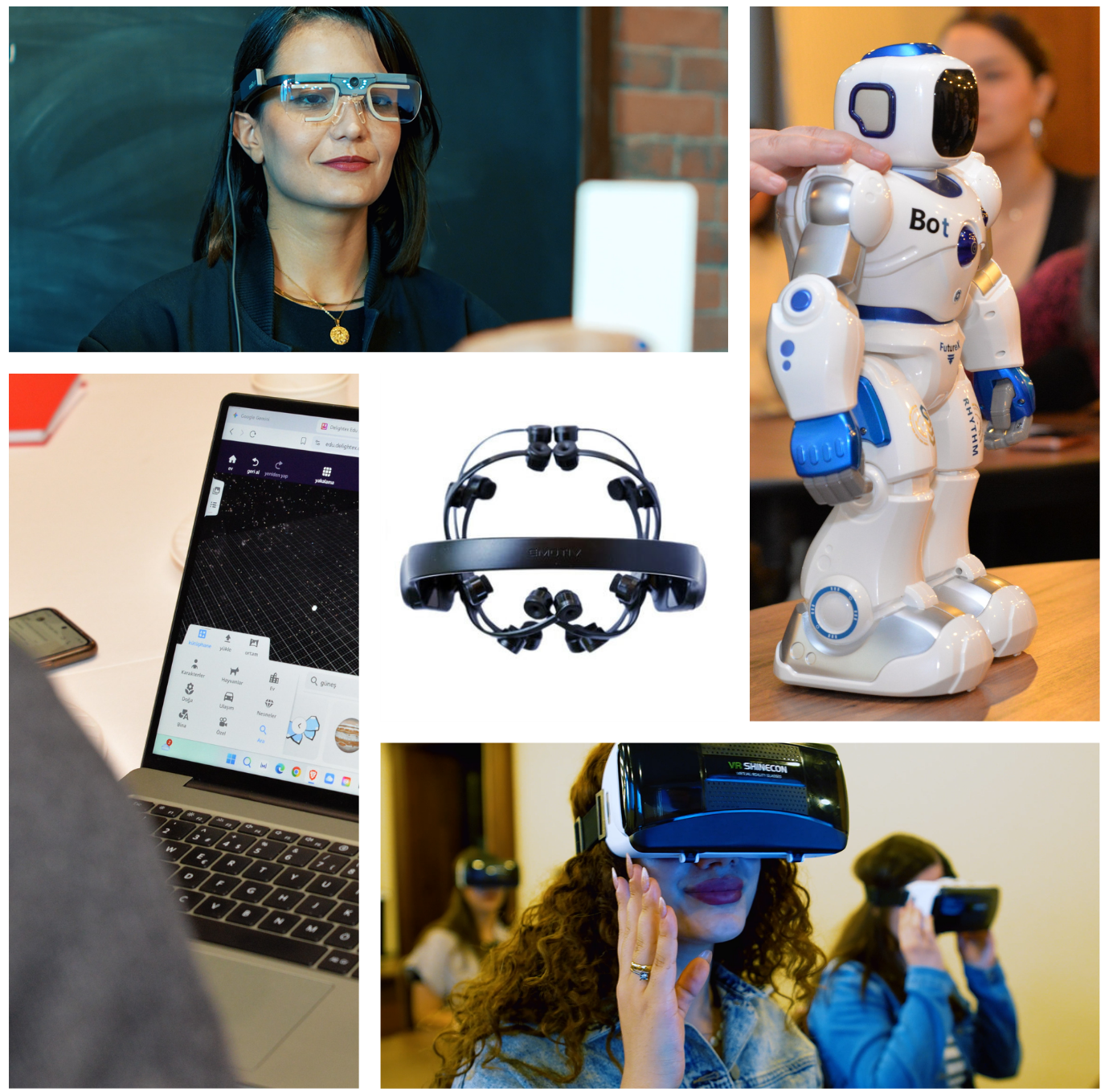
Learning Engineering at TEDU Faculty of Education is built on four interlocking pillars, each embedded in our programs and research activities.
🧠 Learning Science
Evidence from cognitive psychology, neuroscience, and educational research informs every design decision. We ask: what does the science say about how memory, motivation, and metacognition work?
💻 Educational Technology
AI, adaptive systems, virtual/augmented reality, and digital pedagogies are deployed not as ends, but as tools in service of deeper learning goals and individual student needs.
📊 Data Analytics
Learning analytics and data-driven feedback loops allow educators to detect early warning signals, personalize instruction, and continuously improve educational environments.
🔄 Design Thinking
Human-centered design principles guide iterative cycles of problem framing, ideation, prototyping, and testing — placing learner needs at the heart of every educational solution.
The Faculty's commitment to student-centered learning, as articulated on our FAQs page is, in essence, the pedagogical expression of Learning Engineering principles:
- Active learning environments created through inquiry and critical thinking
- Project-based learning ensuring authentic, participatory engagement
- Students as responsible co-constructors of knowledge, not passive recipients
- Faculty as learning environment designers, not merely content transmitters
These are not pedagogical preference, they are LE-informed conclusions drawn from decades of learning science evidence.
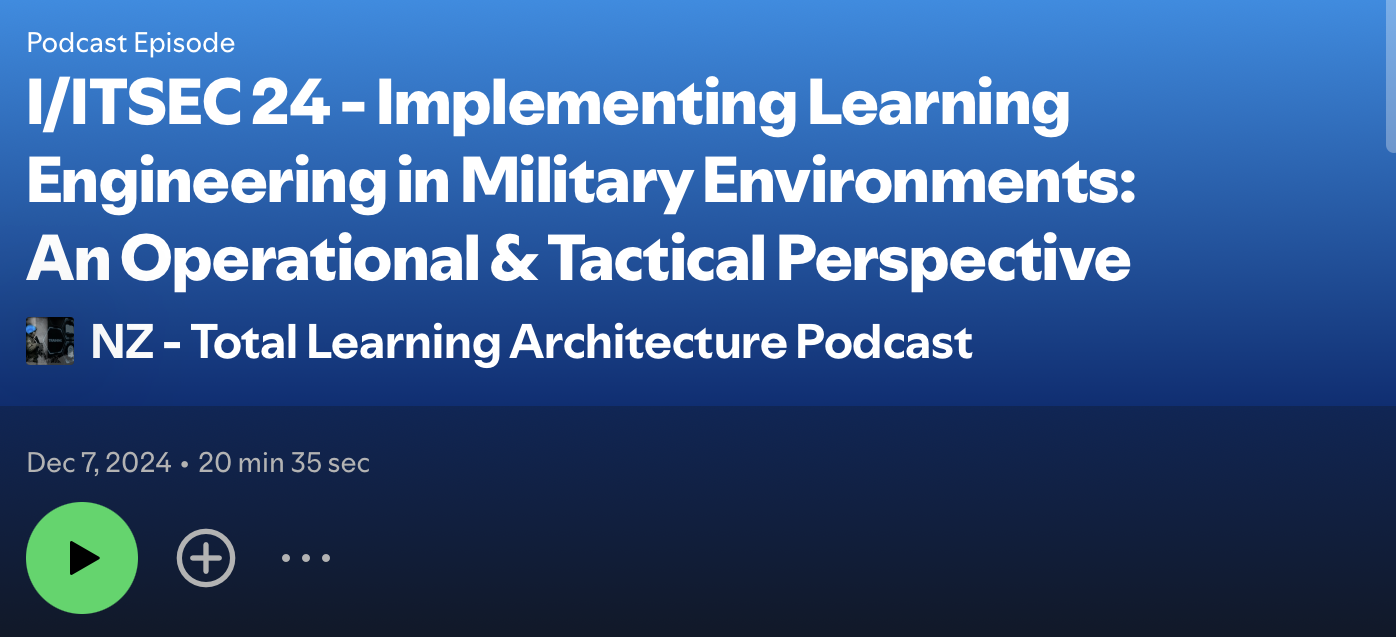
Öğrenme mühendisliğinin uygulama boyutunda öğrenenlerin ihtiyaçları, özellikleri, deneyimleri ve performansı tasarım sürecinin merkezinde yer almaktadır. İnsan merkezli tasarım, yetkinlik temelli öğrenme, veriye dayalı karar verme ve sürekli geri bildirim mekanizmaları; öğrenme ortamlarının daha etkili, uyarlanabilir ve öğrenen odaklı hâle gelmesini desteklemektedir.
Bu panel kaydında öğrenme mühendisliğinin büyük ve karmaşık kurumlarda nasıl uygulanabileceği; insan merkezli tasarım ile kurumsal hedefler arasındaki denge, yetkinliklerin ölçülmesi, kanıta dayalı karar verme ve disiplinler arası iş birliği üzerinden tartışılmaktadır. Farklı hizmet alanlarından uzmanların katkıları, öğrenme mühendisliğinin hem bireysel öğrenme deneyimlerini hem de kurumsal öğrenme sistemlerini geliştirmedeki rolüne ilişkin kapsamlı bir perspektif sunmaktadır.
Podcaste aşağıdaki linkten erişebilirsiniz.
Implementing Learning Engineering in Military Environments: An Operational & Tactical Perspective
Öğrenme mühendisliğinin güncel uygulamalarında insan merkezli tasarım, disiplinler arası iş birliği ve kanıta dayalı yetkinlik geliştirme temel unsurlar olarak öne çıkmaktadır. U.S. Air Education and Training Command tarafından yayımlanan bu içerik, öğrenme ortamlarının sistem yaklaşımıyla ele alınmasını; teknoloji, veri ve farklı uzmanlık alanlarının öğrenme performansını geliştirmek amacıyla bir araya getirilmesini konu edinmektedir.
İçerikte ayrıca öğrenme mühendisliğinin, bireylerin daha hızlı öğrenmesini, bilgiyi daha uzun süre korumasını ve belirli rollere ilişkin yetkinliklerin ölçülebilir biçimde geliştirilmesini destekleyen bir yaklaşım olduğu vurgulanmaktadır. İçeriğe aşağıdaki linkten ulaşabilirsiniz.
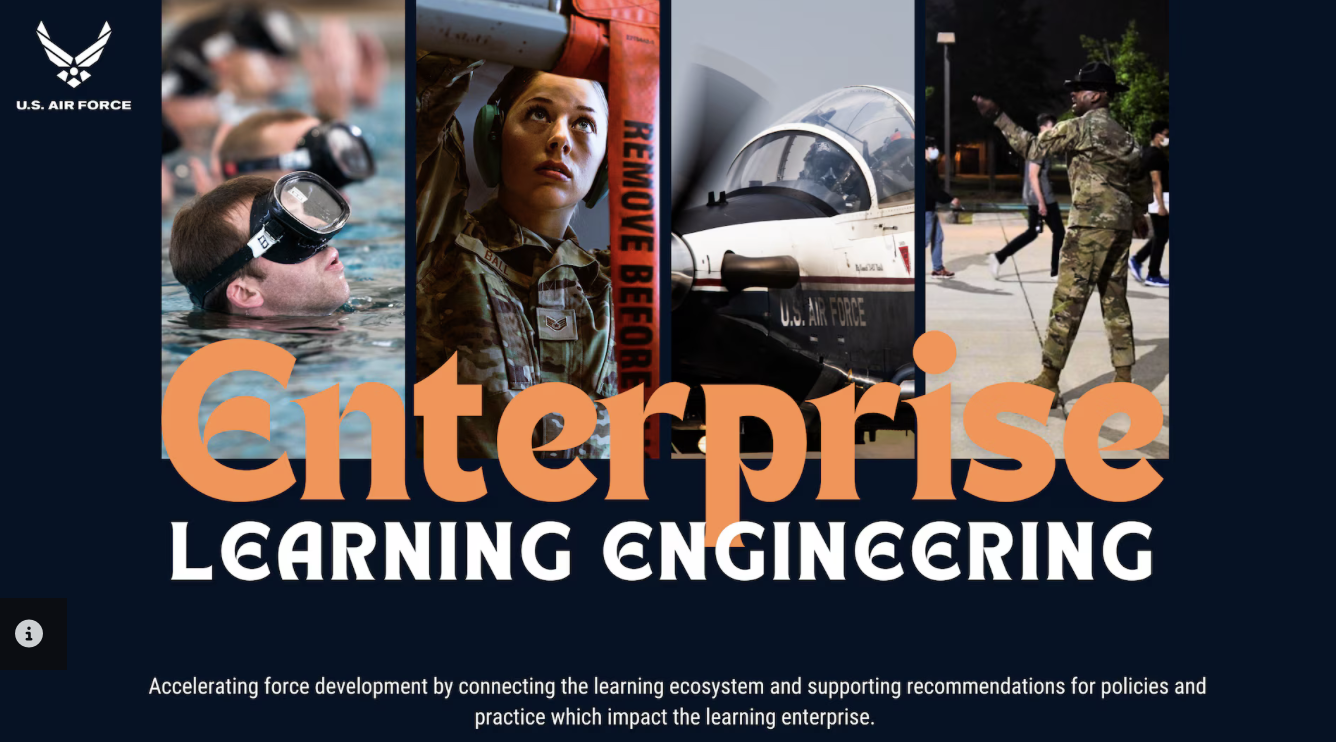 Öğrenme mühendisliği yalnızca tek tek derslerin veya öğrenme deneyimlerinin tasarlanmasıyla sınırlı değildir. Bu yaklaşım; kurumların programlarını, teknoloji altyapılarını, veri sistemlerini, yetkinlik modellerini ve profesyonel gelişim faaliyetlerini ortak bir öğrenme ekosistemi içerisinde yapılandırmalarına da katkı sağlar.
U.S. Air Education and Training Command tarafından geliştirilen Enterprise Learning Engineering Center of Excellence modeli, öğrenme mühendisliğinin kurumsal ölçekte nasıl yapılandırılabileceğine ilişkin güncel bir örnek sunmaktadır. Merkezin faaliyet alanları arasında öğrenme teknolojilerinin test edilmesi, disiplinler arası eğitim modellerinin geliştirilmesi, öğretici gelişiminin desteklenmesi, öğrenme verilerinin yönetilmesi, yetkinlik temelli yapıların oluşturulması ve akademi–sektör iş birliklerinin güçlendirilmesi yer almaktadır.
Bu örnek, öğrenme mühendisliğinin kurumsal misyon, organizasyonel kapasite ve sürdürülebilir gelişimle nasıl bütünleştirilebileceğini göstermektedir.